The World Before 그 이전의 세상
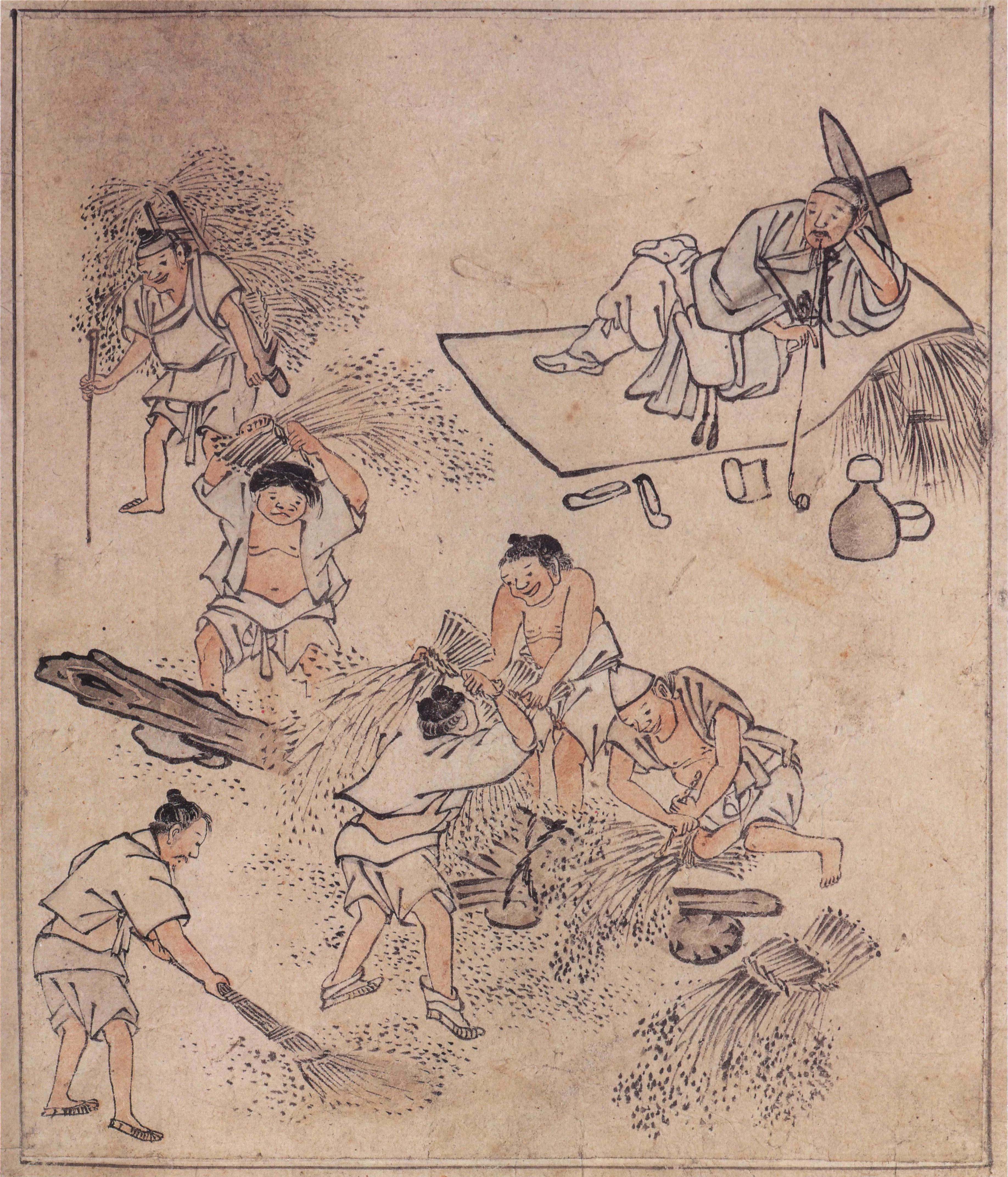
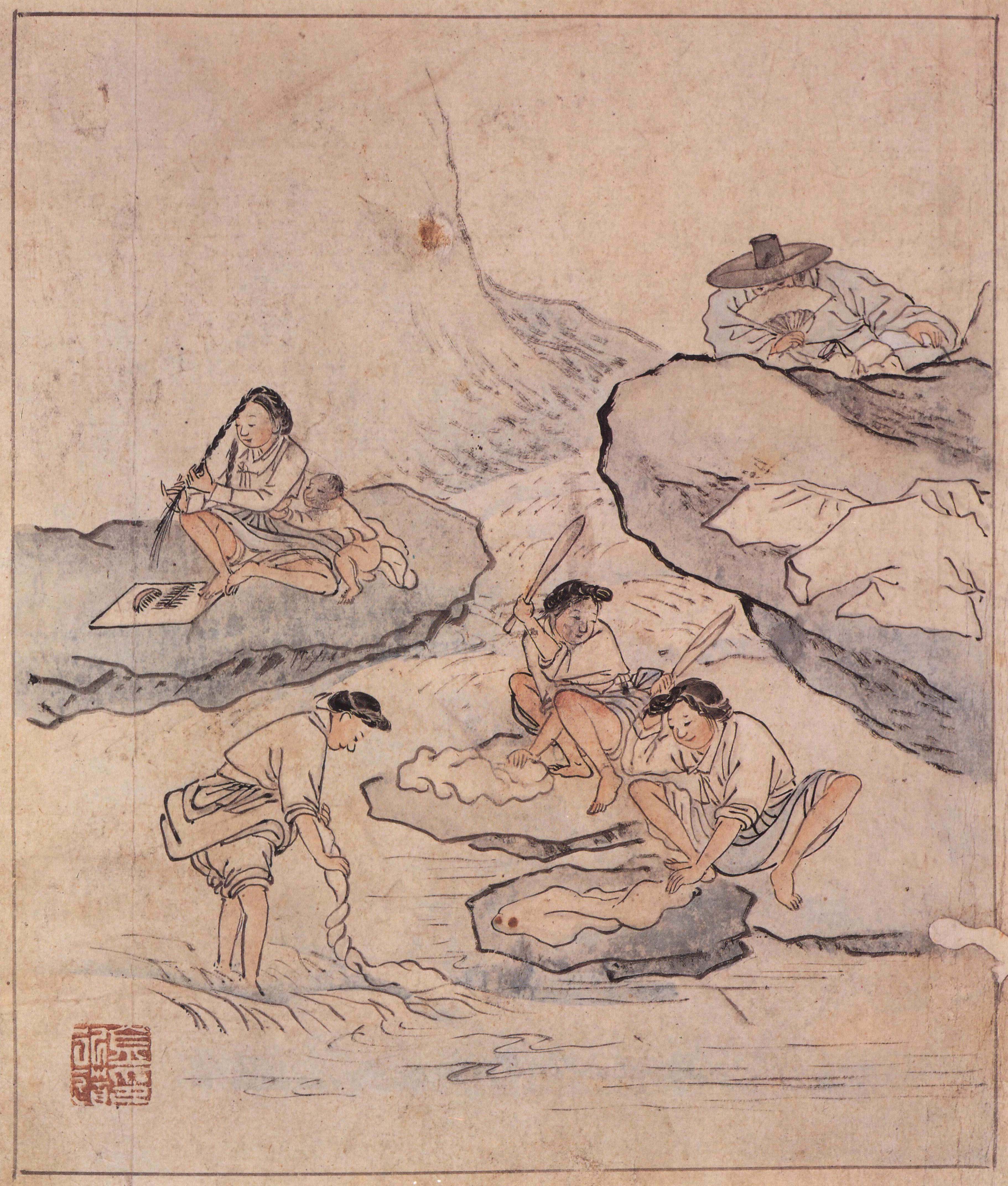
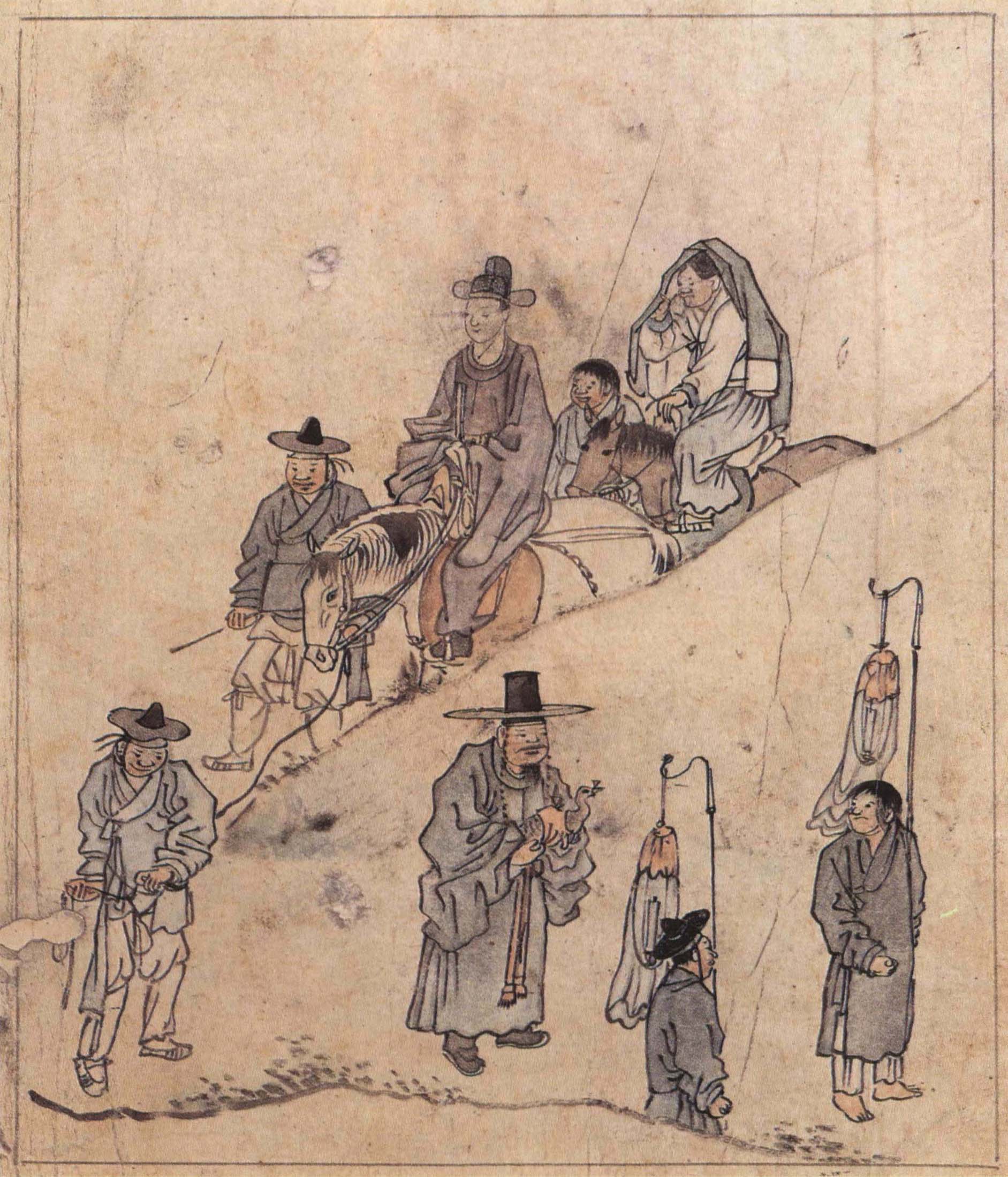
Before the schools, before the hospitals — this is the world the Bible entered. Joseon sorted people by birth, and no institution captures why that mattered until you see the world it replaced. 학교보다, 병원보다 먼저 — 이것이 성경이 들어온 세상입니다. 조선은 태어남으로 사람을 나누었습니다. 그것이 왜 중요했는지는, 그것이 대체한 세상을 보기 전까지는 알 수 없습니다.
ⓘ Source
Kim Hong-do (김홍도) — gongu.copyright.or.kr, via Wikimedia Commons, Public Domain
ⓘ Source
Kim Hong-do (김홍도) — gongu.copyright.or.kr, via Wikimedia Commons, Public Domain
ⓘ Source
Kim Hong-do (김홍도) — gongu.copyright.or.kr, via Wikimedia Commons, Public Domain
The Ideas That Disrupted 사회를 뒤흔든 사상
The Bible carried ideas that were incompatible with Joseon's rigid class structure. Equality before God. Personal Scripture reading. The dignity of women. These were not peripheral — they were the engine of social transformation. 성경은 조선의 엄격한 신분 구조와 양립할 수 없는 사상을 품고 있었습니다. 하나님 앞의 평등. 개인적 성경 읽기. 여성의 존엄성. 이것들은 주변적이지 않았습니다 — 사회 변혁의 엔진이었습니다.
"There is neither Jew nor Greek, there is neither slave nor free, there is no male and female, for you are all one in Christ Jesus." "유대인이나 헬라인이나 종이나 자유인이나 남자나 여자나 다 그리스도 예수 안에서 하나이니라."
Galatians 3:28 / 갈라디아서 3:28
Joseon's Confucian social order divided humanity into yangban (aristocracy), commoners, and the untouchable class. Birth determined destiny. Education was for men of status. Women were confined to the domestic sphere. The Bible addressed all of this — not as social theory, but as theological fact. 조선의 유교적 사회 질서는 인류를 양반, 평민, 천민으로 구분했습니다. 태어남이 운명을 결정했습니다. 교육은 지위 있는 남성을 위한 것이었습니다. 성경은 이 모든 것을 사회 이론이 아닌 신학적 사실로 다루었습니다.
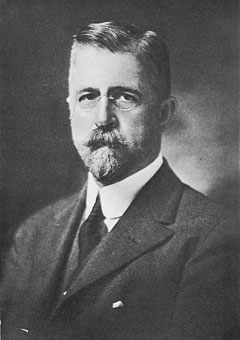
Allen was a medical missionary with no hospital to run — until December 1884, when Min Yeong-ik (민영익), the queen's nephew, was nearly killed in the Gapsin Coup. Allen treated his wounds against the objections of the court's traditional physicians; Min recovered within three months. A grateful King Gojong granted Allen's request to found a Western-style hospital — Gwanghyewon, renamed Jejungwon ("House of Universal Help") twelve days later. A single act of mercy, offered without regard to rank, opened the door to modern medicine for every class in Korea. 알렌은 맡을 병원이 없는 의료 선교사였습니다 — 1884년 12월, 갑신정변에서 왕비의 조카 민영익이 거의 목숨을 잃을 뻔한 부상을 입기 전까지는. 알렌은 궁중 한의사들의 반대를 무릅쓰고 그를 치료했고, 민영익은 석 달 만에 회복했습니다. 감사한 고종은 알렌의 청을 받아들여 서양식 병원 설립을 허락했습니다 — 광혜원, 그리고 12일 뒤 '제중원'(모든 이를 널리 구제하는 곳)으로 이름이 바뀌었습니다. 신분을 가리지 않은 자비 하나가, 한국의 모든 계층을 위한 근대 의료의 문을 열었습니다.
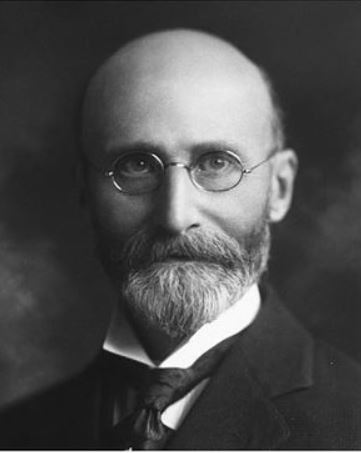
Appenzeller opened classes in August 1885 with two students. In 1886, King Gojong himself named the school 배재학당 (Pai Chai Hakdang) — "a house for rearing talent" — a royal endorsement of a radical premise: that education should cultivate ability, not confirm the rank you were born into. 아펜젤러는 1885년 8월 학생 두 명으로 수업을 시작했습니다. 1886년, 고종은 직접 이 학교에 '배재학당'(유용한 인재를 기르는 집)이라는 이름을 내렸습니다 — 교육이 타고난 신분이 아니라 재능을 길러야 한다는 급진적 전제에 대한 왕실의 승인이었습니다.
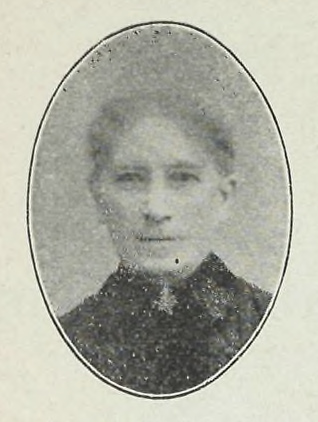
Scranton was 52, a widow, when she opened the school in 1886. Her first student was a concubine who left after three months; the one who stayed was a poor girl called Kkonnim (꽃님), taken in when her mother fell ill with typhus. From that beginning grew Ewha — now Ewha Womans University, one of the world's largest women's universities. The verse quoted at the top of this room, "neither male nor female," was for Scranton not a doctrine to preach but a school to build. 스크랜턴은 52세의 과부였을 때, 1886년 학교를 열었습니다. 첫 학생은 첩이었으나 석 달 만에 떠났고, 남은 것은 어머니가 장티푸스에 걸려 거두어진 가난한 소녀 꽃님이었습니다. 그 시작에서 이화학당이 자랐습니다 — 오늘날 세계 최대 규모의 여성 대학 중 하나인 이화여자대학교입니다. 이 전시실 첫머리에 인용된 "남자나 여자나"라는 구절은, 스크랜턴에게는 설교할 교리가 아니라 세울 학교였습니다.
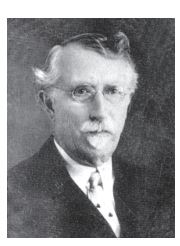
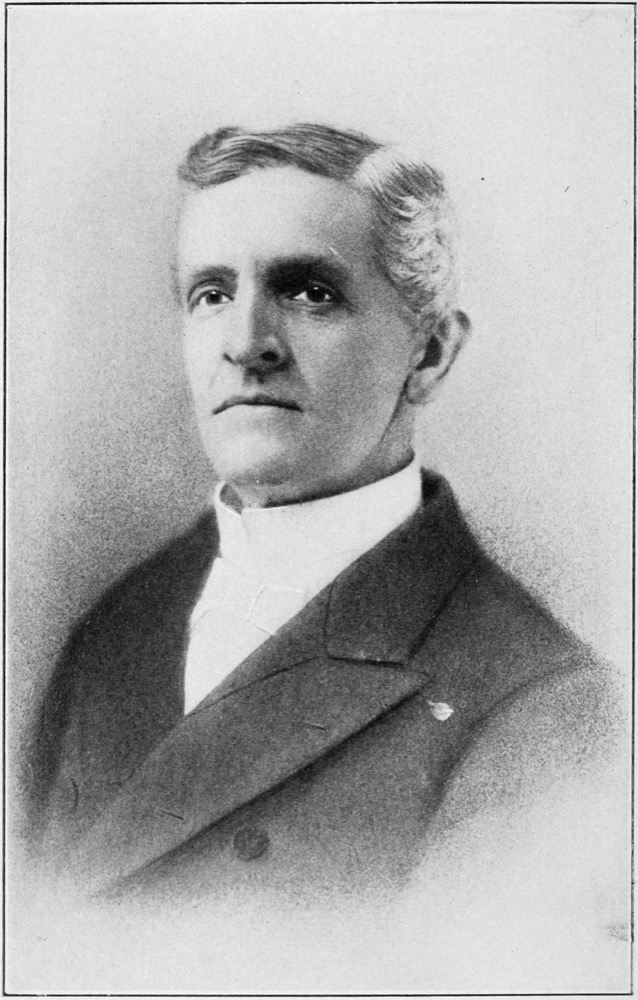
Baird believed Korean Christians needed more than Bible training — they needed a full liberal-arts education integrated with faith, taught in Korean. Soongsil became Korea's first modern institution of higher education (a university department from 1906). Its convictions were tested in 1938: rather than force students to bow at Shinto shrines, Soongsil closed itself — and stayed closed until 1954. 베어드는 한국 기독교인들에게 성경 교육 이상이 필요하다고 믿었습니다 — 신앙과 결합된, 한국어로 가르치는 온전한 인문학 교육이었습니다. 숭실은 한국 최초의 근대 고등교육기관이 되었습니다(1906년부터 대학부 운영). 그 신념은 1938년 시험대에 올랐습니다: 학생들에게 신사참배를 강요하는 대신, 숭실은 스스로 문을 닫았습니다 — 그리고 1954년까지 다시 열지 않았습니다.
Jejungwon (“House of Universal Help”), the first Western hospital in Korea, founded by Horace Allen in 1885, treated patients regardless of class. It became Severance Hospital, then the foundation of Yonsei University Medical Center — one of Korea's leading institutions. The Bible's logic of human dignity had institutional consequences. 1885년 호레이스 알렌이 설립한 한국 최초의 서양식 병원 제중원은 계층에 관계없이 환자를 치료했습니다. 이후 세브란스병원이 되었고, 연세대학교 의료원의 기반이 되었습니다.
ⓘ Source
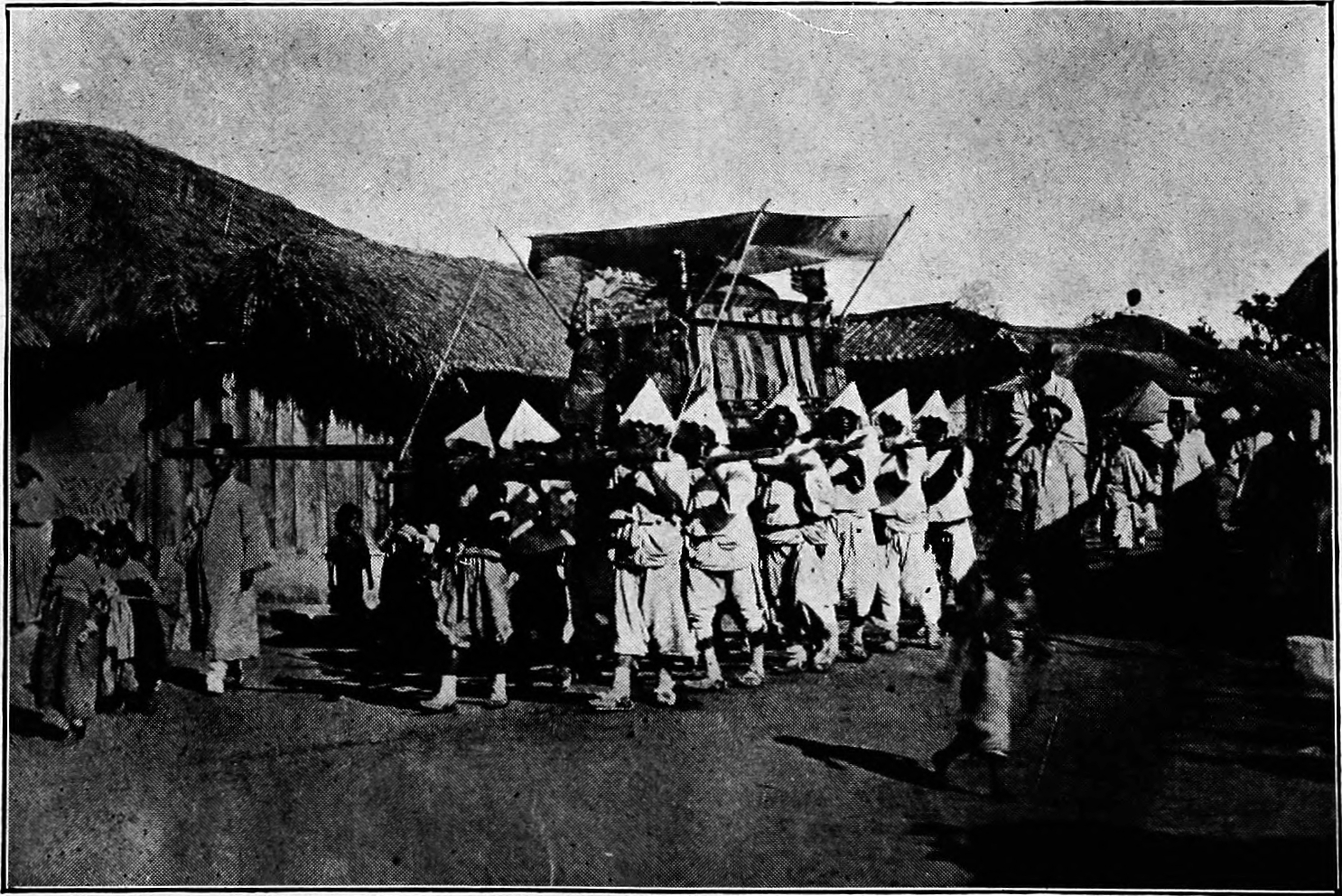
J. Robert Moose, Village Life in Korea (1911) — Wikimedia Commons, Public Domain
The Book That Taught Korea to Read 한국에 읽기를 가르친 책
The Reformation principle — Scripture in the vernacular, readable by all — arrived in Korea 360 years after Luther. Missionaries needed to learn Korean, so they systematized hangeul. That work became the infrastructure for Korean literacy. 모국어로 된 성경, 모든 이가 읽을 수 있는 성경이라는 종교개혁의 원칙이 루터 이후 360년 만에 한국에 도착했습니다. 선교사들이 한국어를 배우면서 한글을 체계화했고, 그 작업이 한국 문해력의 인프라가 되었습니다.
Hangeul had existed since 1446, invented by King Sejong. But it was dismissed by the yangban elite as eonmun (“vulgar script”) — women's writing, commoners' writing. Hanja (Chinese characters used in Korean) carried prestige. The missionaries cared about none of this. They needed to communicate Scripture in the language Koreans actually spoke. 한글은 1446년 세종대왕이 창제했습니다. 그러나 양반 엘리트들은 '언문'이라 무시했습니다 — 여성의 글, 평민의 글. 선교사들은 이에 개의치 않았습니다. 그들은 한국인들이 실제로 말하는 언어로 성경을 전달해야 했습니다.
The Two Proofs 두 가지 증거
If the Bible's ideas were real, they should produce visible outcomes. Two: the transformation of women's status, and the preservation of Korean national identity under Japanese colonial rule. Both happened. Both are historically documented. 성경의 사상이 실재한다면 가시적인 결과를 낳아야 합니다. 두 가지: 여성 지위의 변화, 그리고 일제 식민 지배 아래 한국 민족 정체성의 보존. 둘 다 일어났습니다. 둘 다 역사적으로 기록되어 있습니다.
Proof I — Women증거 I — 여성
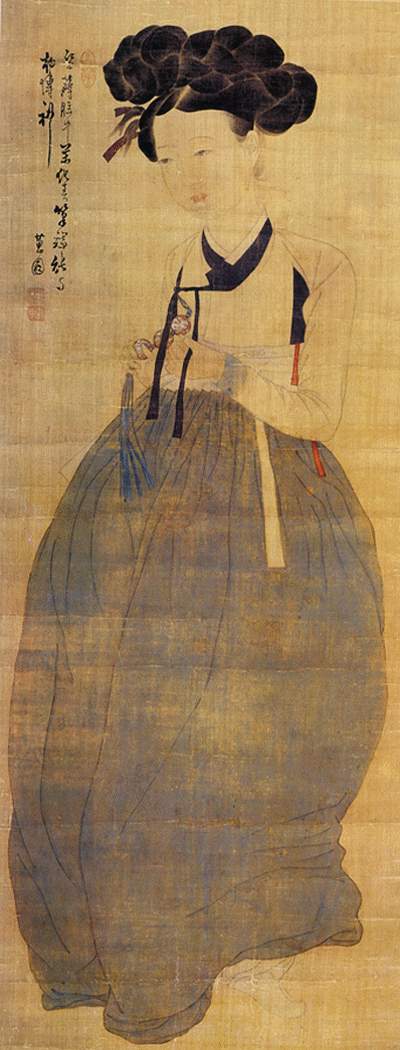
In 1880s Joseon, a married woman was commonly known not by her own name but as "wife of" or "mother of" — recorded that way even in family and village records. Girls received no formal education; women ate after the men of the household had finished; marriages were arranged without the woman's own say; and life outside the home was lived through the 안채, the inner quarters, rarely crossed by outsiders. This was the world Mary Scranton — 52 years old, a widow, newly arrived from the United States — walked into. 1880년대 조선에서 결혼한 여성은 흔히 자신의 이름이 아니라 "누구의 아내" 또는 "누구의 어머니"로 불렸습니다 — 가족·마을 기록에도 그렇게 남았습니다. 여자아이는 정규 교육을 받지 못했고, 여성은 집안 남성들이 식사를 마친 뒤에야 먹었으며, 혼인은 본인의 뜻과 무관하게 정해졌고, 집 밖의 삶은 외부인이 거의 넘지 못하는 안채 안에서 이루어졌습니다. 메리 스크랜턴 — 52세, 과부, 미국에서 막 도착한 — 이 발을 들인 것은 바로 이런 세상이었습니다.
In 1886, American Methodist missionary Mary Scranton opened Ewha Hakdang (이화학당) — a school for girls. She invited "all women," regardless of class. The first students were widows, concubines, and women rejected by society. The school offered education, dignity, and a new identity. Ewha became Ewha Womans University — the largest women's university in the world. "Neither male nor female" (Room 2.1's opening quote, Galatians 3:28) was, for Scranton, not a doctrine to preach but a school to build. 1886년 미국 감리교 선교사 메리 스크랜턴이 이화학당을 열었습니다 — 여학생을 위한 학교. 그녀는 계층에 관계없이 "모든 여성"을 초대했습니다. 첫 번째 학생들은 과부, 첩, 사회에서 거부당한 여성들이었습니다. "남자나 여자나"(전시실 2.1 첫머리의 갈라디아서 3:28 인용)는, 스크랜턴에게는 설교할 교리가 아니라 세울 학교였습니다.
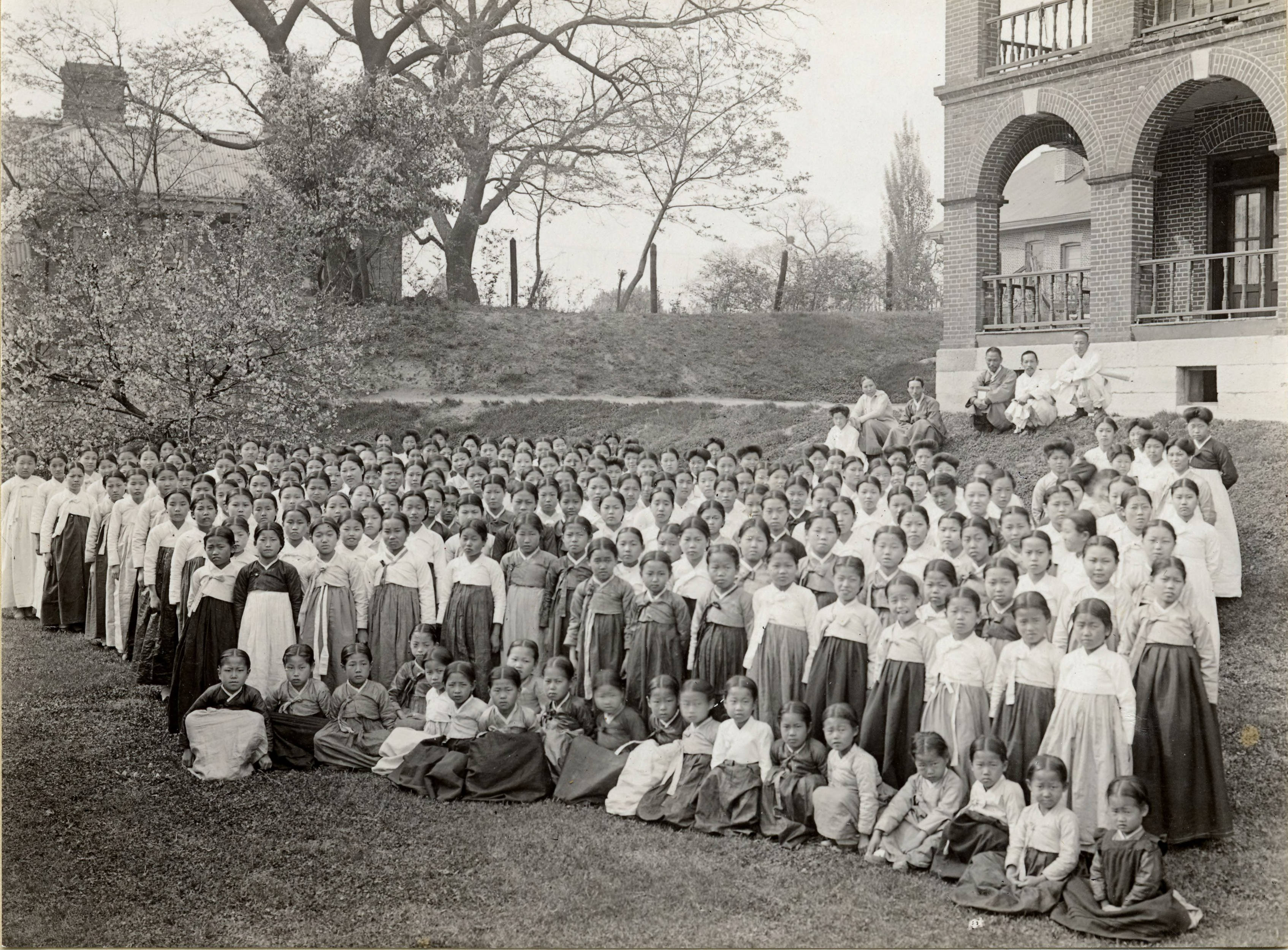
ⓘ Source
Rev. Corwin & Nellie Taylor Collection, USC Libraries Korean Digital Archive — Wikimedia Commons, Public Domain
Three Lives, One Thread세 삶, 하나의 흐름
A yangban woman who gave up noble privilege to lead the underground Catholic community in Seoul and shelter the priest Zhou Wenmo (주문모). She taught doctrine across every rank — noblewomen, widows, servants, even her own household slaves — making no distinction between high and low. Arrested in the Sinyu Persecution (the Catholic persecution of 1801), tortured six times, and beheaded outside Seosomun (Small West Gate) on 2 July 1801, aged 40. She was among the 124 martyrs beatified at Gwanghwamun in 2014 (see Wing 3). 양반 신분을 버리고 서울의 지하 천주교 공동체를 이끌며 주문모 신부를 숨겨 준 여성. 양반 부인부터 과부, 하녀, 심지어 자신의 집안 노비까지 — 신분을 가리지 않고 교리를 가르쳤습니다. 신유박해 때 체포되어 여섯 차례 고문을 받았고, 1801년 7월 2일 서소문 밖에서 참수되었습니다. 향년 40세. 2014년 광화문에서 시복된 124위 순교자 중 한 사람입니다(제3관 참고).
The first four sisters landed at Incheon on 22 July 1888 and opened a convent on Jonghyeon Hill (today's Myeongdong) — an orphanage for abandoned children and a dispensary for the poor, a generation before Seo Seo-pyeong (서서평) arrived. Kim Hae-gyeom (김해겸) and Park Hwang-wol (박황월) became the first Korean-born sisters — a genuinely new vocation for a Korean woman: a life defined outside marriage and household. 1888년 7월 22일, 첫 네 명의 수녀가 인천에 도착해 종현 언덕(오늘날 명동)에 수녀원을 열었습니다 — 버려진 아이들을 위한 고아원과 가난한 이들을 위한 시약소로, 서서평이 오기 한 세대 전의 일이었습니다. 김해겸과 박황월은 한국인 최초의 수녀가 되었습니다 — 혼인과 가정 밖에서 정의되는 삶이라는, 조선 여성에게 완전히 새로운 소명이었습니다.
German-born nurse-missionary who spent 22 years in Gwangju and Jeju — raised 14 orphans and housed 38 widows in her own home, founded women's self-support work, and willed her body to medical research. Koreans called her the mother of beggars. A century after Kang Wan-suk (강완숙), the same disruption in a different register: class and gender both undone by one woman's life. 독일 출신 간호사 선교사로 광주와 제주에서 22년을 보냈습니다 — 고아 14명을 길렀고 과부 38명을 자신의 집에 살게 했으며, 여성 자활 사업을 세웠고, 자신의 시신을 의학 연구에 기증했습니다. 한국인들은 그녀를 "거지들의 어머니"라 불렀습니다. 강완숙으로부터 한 세기 뒤, 다른 결로 나타난 같은 파열 — 한 여성의 삶으로 신분과 성별의 벽이 함께 무너졌습니다.
Not Catholics versus Protestants — two streams of the same disruption. The Catholic one began earlier (Kang Wan-suk (강완숙), 1801; the Chartres Sisters, 1888); the Protestant one brought Seo Seo-pyeong (서서평) and the schools above. Same thesis, fuller picture. 가톨릭과 개신교의 경쟁이 아니라, 같은 파열의 두 흐름입니다. 가톨릭 쪽이 더 일찍 시작되었고(강완숙, 1801년; 샤르트르 수녀회, 1888년), 개신교 쪽이 서서평과 위의 학교들을 가져왔습니다. 같은 논지의 더 온전한 그림입니다.
Proof II — National Identity증거 II — 민족 정체성
The movement had two starting points, hours apart. In Pyongyang, thousands gathered at Sungdok Girls' School on Jangdae Hill at noon and read the declaration first; the official reading at Pagoda Park in Seoul came two hours later, at 2pm. The North was not a footnote to this story — it moved first. 이 운동은 몇 시간 차이를 둔 두 개의 시작점을 가졌습니다. 평양에서는 수천 명이 장대재 숭덕여학교에 정오에 모여 독립선언서를 가장 먼저 낭독했습니다. 서울 탑골공원에서의 공식 낭독은 두 시간 뒤인 오후 2시였습니다. 북쪽은 이 이야기의 각주가 아니라, 먼저 움직인 곳이었습니다.
The Bible's role in resisting Japanese rule went beyond March 1st. When Shinto shrine worship was made compulsory in schools, Soongsil — Korea's first modern university, founded by William Baird in Pyongyang (Room 2.1) — closed itself rather than comply, in 1938, and stayed closed until 1954. 성경의 역할은 3·1운동을 넘어 일제에 대한 저항으로 이어졌습니다. 학교에 신사참배가 강제되었을 때, 윌리엄 베어드가 평양에 세운 한국 최초의 근대 대학인 숭실(전시실 2.1)은 따르는 대신 1938년 스스로 문을 닫았고, 1954년까지 다시 열지 않았습니다.
In the decades since, that history has run in an unexpected direction. Korean churches have sent missionaries to Japan — the country that once ruled them — explicitly framed around forgiveness rather than grievance. Since 2007, Onnuri Church's "Love Sonata" campaign alone has sent thousands of Korean Christians to Japan to apologize and to serve. 그 이후 수십 년, 그 역사는 뜻밖의 방향으로 흘렀습니다. 한국 교회는 한때 자신들을 지배했던 나라, 일본에 선교사를 보냈습니다 — 원망이 아니라 용서를 앞세운 태도로. 2007년부터 온누리교회의 "러브 소나타" 운동만으로도 수천 명의 한국 그리스도인이 사과하고 섬기기 위해 일본으로 향했습니다.
When Japan suppressed Korean language publications and imposed Japanese as the official language, Korean churches continued printing in Korean. The Bible — regularly revised, widely distributed — served as a bulwark for the Korean language. To read the Korean Bible was an act of cultural identity as much as religious devotion. 일본이 한국어 출판물을 탄압하고 일본어를 공용어로 강요할 때, 한국 교회는 계속 한국어로 인쇄했습니다. 정기적으로 개정되고 널리 배포된 성경은 한국어의 보루 역할을 했습니다.
The L-Shaped Church ㄱ자 교회
When the Gospel arrived in Korea, it did not demand that Koreans abandon their architecture. Instead, missionaries adapted the traditional hanok (Korean house) floor plan to create a new kind of sacred space — the ㄱ-shaped church, an L-shaped church. 복음이 한국에 도착했을 때, 한국인들에게 건축물을 버리라고 요구하지 않았습니다. 대신 선교사들이 전통 한옥 평면도를 개조하여 새로운 종류의 성스러운 공간을 만들었습니다 — ㄱ자 교회.
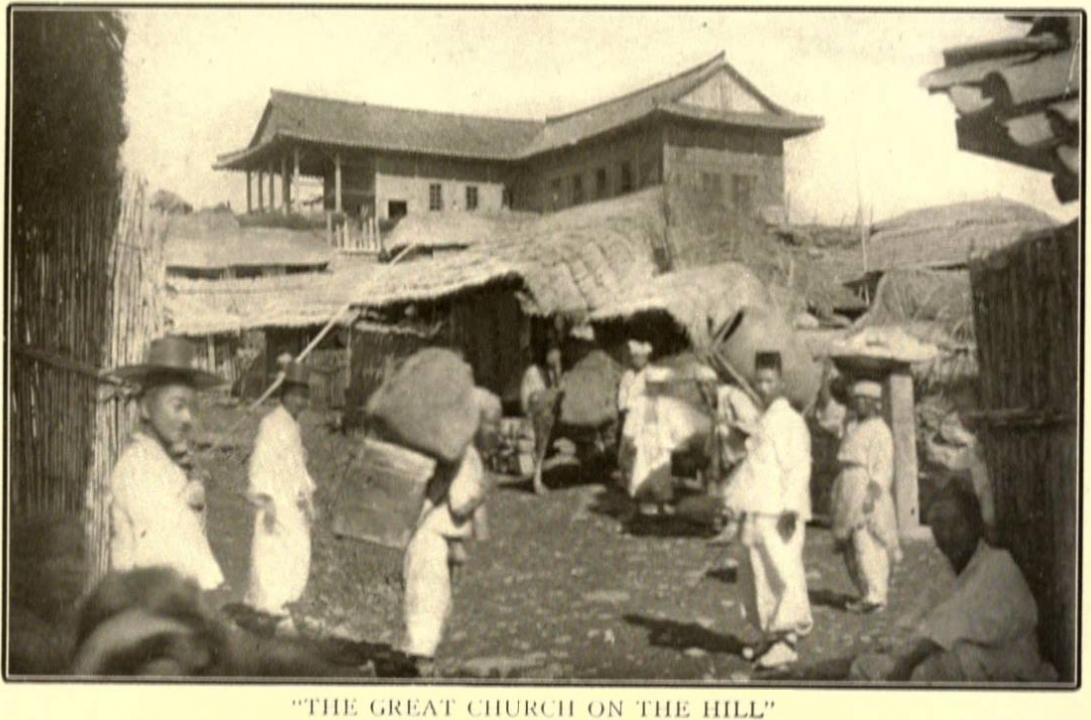
ⓘ Source
Jangdaehyeon Church, Pyongyang, 1907 · mehansa.com, via Wikimedia Commons, Public Domain (Korea)
The ㄱ-shape (L-shape) solved a specific social problem: men and women could not worship together in traditional Joseon society. The two wings of the L met at the pulpit — men sat in one wing, women in the other. Both could hear the sermon. Neither could see the other. ㄱ자 형태는 특정 사회적 문제를 해결했습니다: 전통 조선 사회에서 남녀가 함께 예배드릴 수 없었습니다. L의 두 날개는 강단에서 만났습니다 — 남성은 한쪽 날개에, 여성은 다른 쪽에 앉았습니다.
Surviving examples include the Ganghwa Anglican Church (강화 성공회 성당, 1900) and Gwangseong Church. Their floor plans show the adaptation clearly: Korean hanok roof, Christian cross, L-shaped nave. Architecture as theological conversation. 현존하는 사례로는 강화 성공회 성당(1900)과 광성교회가 있습니다. 그들의 평면도는 적응을 명확하게 보여줍니다: 한국 한옥 지붕, 기독교 십자가, ㄱ자 본당. 건축이 신학적 대화입니다.
The Living Transmission 살아있는 전승 — 필사 성경
The transmission story that began with scribes in Room 1.1 has not ended. Today, ordinary Korean Christians hand-copy the entire Bible — word by word, page by page — as a devotional practice. The manuscript tradition is alive. 전시실 1.1에서 서기관들로 시작된 전승 이야기는 끝나지 않았습니다. 오늘날 평범한 한국 기독교인들이 헌신적 수행으로 성경 전체를 손으로 필사합니다 — 단어 하나하나, 페이지 하나하나.
필사 성경 (pilsa seonggyeong) — the hand-copied Bible — is a practice found across Korea. Some spend months; some spend years. The completed manuscripts are displayed in churches, donated to museums, or kept as personal devotional objects. They are often strikingly beautiful — careful, unhurried calligraphy on quality paper. 필사 성경은 한국 전역에서 찾아볼 수 있는 수행입니다. 몇 달을 쓰는 이들도 있고 몇 년을 쓰는 이들도 있습니다. 완성된 사본들은 교회에 전시되거나, 박물관에 기증되거나, 개인 헌신의 유물로 보관됩니다.
"When I copy the Bible, I am not copying words — I am meeting the Author." "성경을 필사할 때, 저는 단어를 베끼는 것이 아닙니다 — 저자를 만납니다."
— Korean church elder, contemporary — 한국 교회 장로, 현대
This practice places the contemporary Korean Christian in direct continuity with the monks who copied the Vulgate, the scribes who maintained the Hebrew Scriptures, and the Manchurian translators who first put the Bible into Korean. The book keeps moving. The hands keep copying. 이 수행은 현대 한국 기독교인을 불가타를 필사한 수도사들, 히브리 성경을 보존한 서기관들, 그리고 처음으로 성경을 한국어로 옮긴 만주의 번역자들과 직접적인 연속성 안에 놓습니다.
The tradition of 필사 성경 (pilsa seonggyeong) — hand-copying the entire Bible — continues among Korean believers today. It is not a historical relic. It is a living practice, connecting the oldest forms of Scripture transmission to the present day. 필사 성경의 전통 — 성경 전체를 손으로 필사하는 것 — 은 오늘날 한국 신자들 사이에서 계속되고 있습니다. 이것은 역사적 유물이 아닙니다. 가장 오래된 성경 전승 방식을 현재와 연결하는 살아있는 수행입니다.